Wondering what daily life in Mount Pleasant actually feels like once the postcards and weekend visits are over? If you are thinking about a move here, you probably want more than a pretty waterfront view. You want to know how errands, outdoor time, commuting, and housing choices come together in real life. This guide will help you picture that rhythm more clearly so you can decide whether Mount Pleasant fits the way you want to live. Let’s dive in.
What Everyday Life Feels Like
Mount Pleasant blends coastal character with suburban structure. It is home to about 95,469 residents, and the town has a 73.6 percent owner-occupied housing rate, which points to a market with a strong base of long-term homeowners. Census data also shows a median household income of $124,755 and a mean commute time of 24.9 minutes.
In practical terms, that often means your day is shaped by a few reliable anchors rather than one traditional downtown core. You may spend the morning near the waterfront, run errands at a major shopping area in the afternoon, and use U.S. 17 or the Ravenel Bridge as part of your regular routine. That mix is part of what gives Mount Pleasant its distinct feel.
Coastal Roots Still Shape the Town
Mount Pleasant’s history helps explain why the town feels both established and evolving. According to the town, it grew from a quiet village centered on shipbuilding, agriculture, local commerce, and later a thriving shrimping waterfront. That working-waterfront background still shows up in the town’s identity today.
You can see that connection most clearly around Shem Creek and the Old Village area. These places are not just scenic landmarks. They reflect the older coastal story of Mount Pleasant while remaining part of everyday local life.
Old Village Character
The Old Village Historic District is a 37-block local historic district within a 30-block National Register area. The town describes it as a quiet residential area with small and large houses, harbor views, and preserved streetscapes. If you are drawn to historic surroundings, this part of town offers one of Mount Pleasant’s most recognizable settings.
At the same time, Old Village is only one piece of the larger picture. Mount Pleasant also includes newer residential areas and commercial hubs that support a more suburban lifestyle. That balance is a big reason the town appeals to so many different buyers.
Outdoor Living Is Part of the Routine
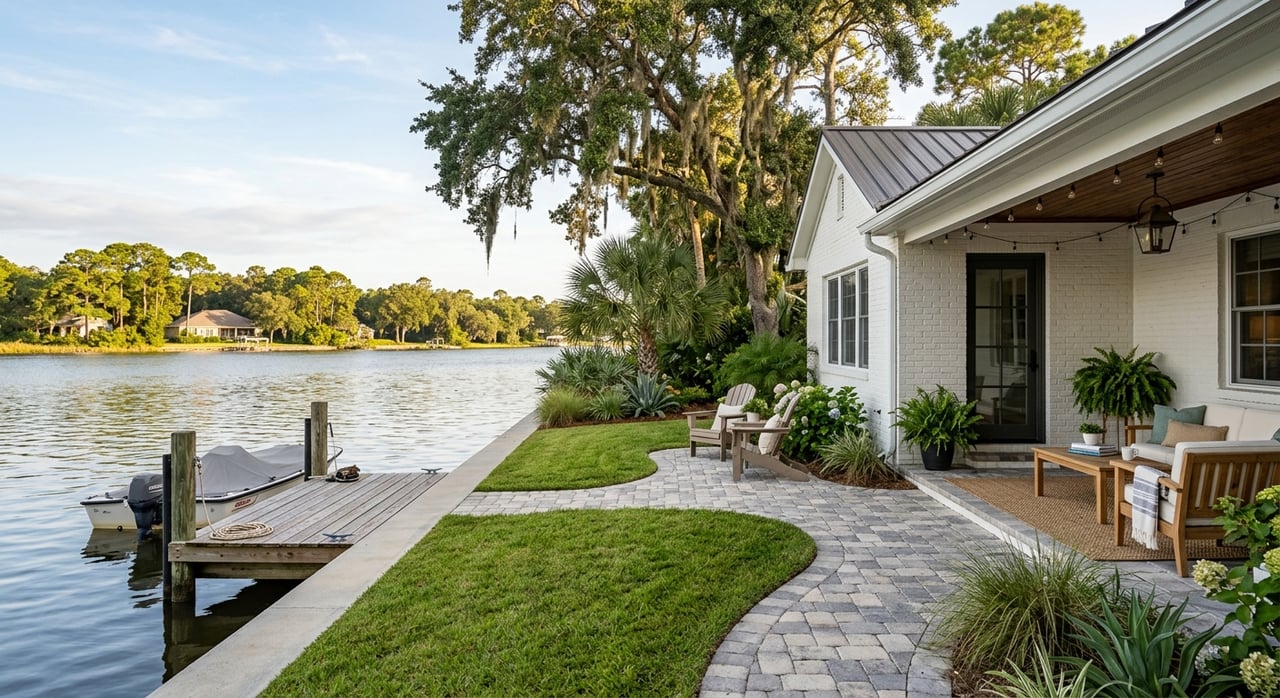
In Mount Pleasant, outdoor time does not have to be reserved for special occasions. Several public spaces are set up for repeat use, whether you want a quick walk, a place to spend time outside, or access to the water. That everyday access helps make coastal living feel practical, not just aspirational.
Memorial Waterfront Park
Memorial Waterfront Park is one of the town’s signature public spaces. Located at the base of the Ravenel Bridge, it includes lawn space, harbor views, a nautical-themed playground, and a 1,250-foot pier. Phase III opened in June 2025 and added a splash pad, another playground area, basketball and pickleball courts, dog parks, an exercise area, and a walking track.
For buyers trying to imagine real life here, that matters. It means a waterfront park can be part of your weekly routine for walking, playing, or simply getting outside, not just a place you visit once in a while.
Shem Creek and the Waterfront
Shem Creek is one of the best examples of Mount Pleasant’s coastal-suburban balance. The waterfront area includes boardwalks, creekside dining, marsh views, and water activities like paddleboarding, kayaking, boat tours, and fishing charters. It also connects back to the town’s shrimping heritage.
Nearby, Shem Creek Park offers useful everyday amenities including ADA access, fishing, parking, restrooms, and a walking trail. That makes it a functional part of local life, whether you want a short outing or a regular outdoor stop during the week.
Pitt Street Bridge Access
Pitt Street Bridge is another lifestyle marker that shows how outdoor access fits into the town’s daily rhythm. In 2025, the town completed micromobility improvements there to improve safety and access for motorized and non-motorized users. Small infrastructure updates like this can make a noticeable difference in how easy it feels to move around and enjoy local outdoor spaces.
Shopping, Dining, and Daily Convenience
One of the biggest practical questions buyers ask is simple: how easy is it to get things done? In Mount Pleasant, much of that answer comes down to a few well-known retail and dining hubs. The town’s layout supports convenience, even though it is not organized around one central business district.
Towne Centre for Everyday Errands
Mount Pleasant Towne Centre is the main everyday retail node in town. It is an open-air shopping, dining, and entertainment center with more than 60 stores, boutiques, and restaurants, plus a movie theater and family-oriented events. Its location off U.S. 17 makes it a regular stop for many residents.
If you are relocating, this kind of hub can make a new town feel easier to navigate. It gives you one familiar place for shopping, dining, and entertainment while you learn the rest of the area.
Dining Along Shem Creek
Shem Creek also serves as one of Mount Pleasant’s best-known dining districts. The waterfront setting, harbor views, and mix of restaurants and bars give it a different feel from a standard suburban commercial area. For many people, that is part of the appeal of living here.
You get access to everyday convenience without giving up the visual and cultural pull of the coast. That combination is one of Mount Pleasant’s strongest lifestyle advantages.
Commuting Around Mount Pleasant
For many buyers, the daily commute shapes quality of life as much as the home itself. Mount Pleasant’s main connections into the wider Charleston area include U.S. 17, Coleman Boulevard, I-526, and the Arthur Ravenel Jr. Bridge. The bridge directly connects Mount Pleasant and downtown Charleston, which makes it a major part of many residents’ routines.
The town also notes that adaptive signal technology is used on U.S. 17 and Coleman Boulevard to help manage traffic flow. While no commute is identical, the Census mean travel time of 24.9 minutes gives you a useful baseline for what day-to-day travel may look like.
Transit and Seasonal Options
If you want alternatives to driving, CARTA provides fixed routes and park-and-ride locations. There is also a seasonal Beach Reach Shuttle that runs between Mount Pleasant Towne Centre and Isle of Palms on weekends and holidays from Memorial Day through Labor Day. For some households, these added options can make warm-weather outings and regional movement a little easier.
Housing Options Across the Town
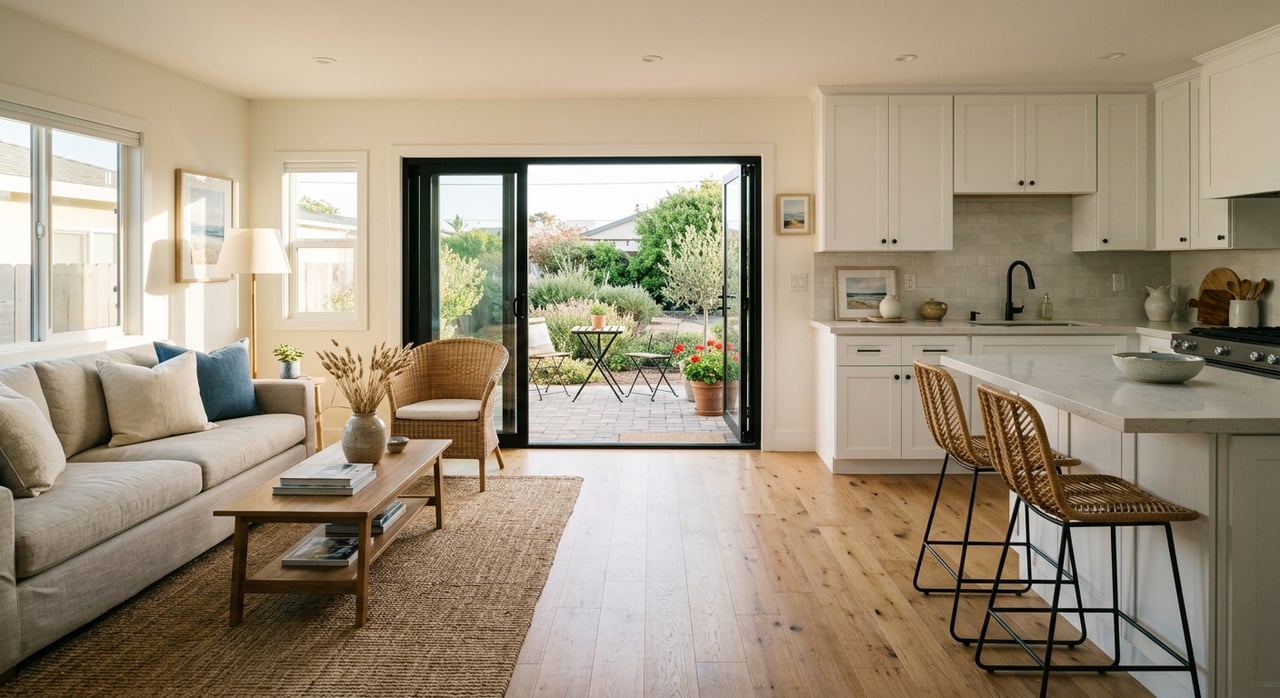
Mount Pleasant offers a wider housing mix than some buyers expect. The town includes historic single-family homes, newer planned subdivisions, townhomes, condos, and waterfront properties. That range creates different entry points, even though the overall market sits at a premium compared with nearby and statewide benchmarks.
The Census reports a median owner-occupied home value of $748,500 in Mount Pleasant. It also reports median monthly owner costs with a mortgage of $2,603 and a median gross rent of $2,159. For context, that median owner-occupied value is above Charleston city at $509,700, above Charleston County at $489,100, and well above South Carolina overall at $259,000.
Historic and Newer Home Settings
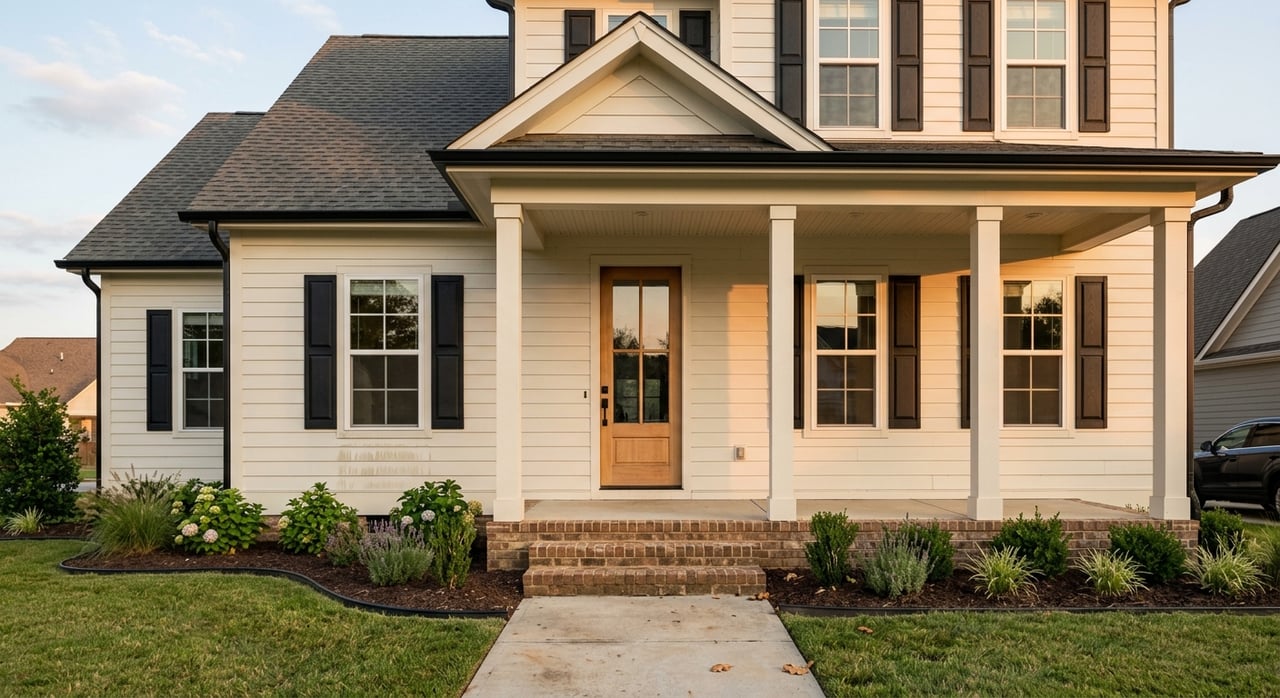
If you prefer a historic setting, Old Village stands out for its preserved streetscapes and mix of small and large houses. If you are looking for a more master-planned environment, the town’s growth history points to neighborhoods such as Brickyard Plantation, Charleston National, Dunes West, and Park West. Those areas reflect Mount Pleasant’s newer suburban growth pattern.
This mix can be helpful if you are trying to match a home to your lifestyle rather than chasing one specific architectural style. Some buyers want historic surroundings and harbor context, while others prefer newer neighborhood layouts and proximity to larger retail nodes.
Price Positioning Inside Mount Pleasant
Recent market data in the research report shows how varied pricing can be within the town. The median sale price was reported at $849,561 overall, with single-family homes at $1,082,073, townhouses at $629,954, and condo or co-op homes at $404,420. Neighborhood medians in that same source ranged from $1.04 million in Carolina Park to $3.69 million in the Old Village Historic District.
The big takeaway is not just that Mount Pleasant is expensive. It is that the town offers multiple housing formats, but its best-known historic and waterfront areas tend to sit at the top end of the market.
Is Mount Pleasant the Right Fit?
If you are looking for a place that combines outdoor access, strong daily convenience, and a clear coastal identity, Mount Pleasant has a lot to offer. It is especially appealing if you want your routine to include public waterfront spaces, established residential areas, and easy access to shopping and dining. The town supports both scenic moments and everyday practicality.
At the same time, price positioning is an important part of the conversation. If Mount Pleasant is on your list, it helps to go in with a clear understanding of your budget, your must-haves, and which kind of setting fits you best. That clarity can help you focus your search and avoid feeling overwhelmed by the range of options.
If you are exploring Mount Pleasant or comparing it with other Charleston-area communities, working with a local guide can make the process feel much more manageable. For thoughtful, responsive help as you narrow down the right fit, connect with Jadah Hernandez.
FAQs
What is everyday life like in Mount Pleasant, SC?
- Everyday life in Mount Pleasant often centers on a few key anchors, including Memorial Waterfront Park for outdoor time, Shem Creek for dining and views, Towne Centre for shopping and errands, and major roads like U.S. 17, I-526, and the Ravenel Bridge for commuting.
Is Mount Pleasant, SC more coastal or suburban?
- Mount Pleasant is both. It has preserved waterfront and historic areas like Shem Creek and Old Village, along with newer subdivisions, shopping centers, and transportation infrastructure that support a suburban daily routine.
What kinds of homes are common in Mount Pleasant, SC?
- Buyers can find historic single-family homes, newer planned-neighborhood homes, townhomes, condos, and waterfront properties across Mount Pleasant.
Is Mount Pleasant, SC expensive compared with nearby areas?
- Based on Census data in the research report, Mount Pleasant has a higher median owner-occupied home value than Charleston city, Charleston County, and South Carolina overall, which places it at a premium relative to those benchmarks.
What are the main commute routes from Mount Pleasant, SC?
- The main routes mentioned in the research report are U.S. 17, Coleman Boulevard, I-526, and the Arthur Ravenel Jr. Bridge, which connects Mount Pleasant to downtown Charleston.